

In this measurement session, the radiated sound intensities were determined. The normal “active” intensities were also determined. The active intensity is the net intensity; i.e., the radiated intensity minus the intensity reflected back by the room.
For a radiating surface, this means that if the value is positive, there is net sound being radiated; if the value is negative, then net energy is flowing into the surface (and thus there is absorption) and more sound is flowing out of the room through that surface than is flowing in. The same surface can radiate sound for one frequency (band) while absorbing sound for another frequency (band).
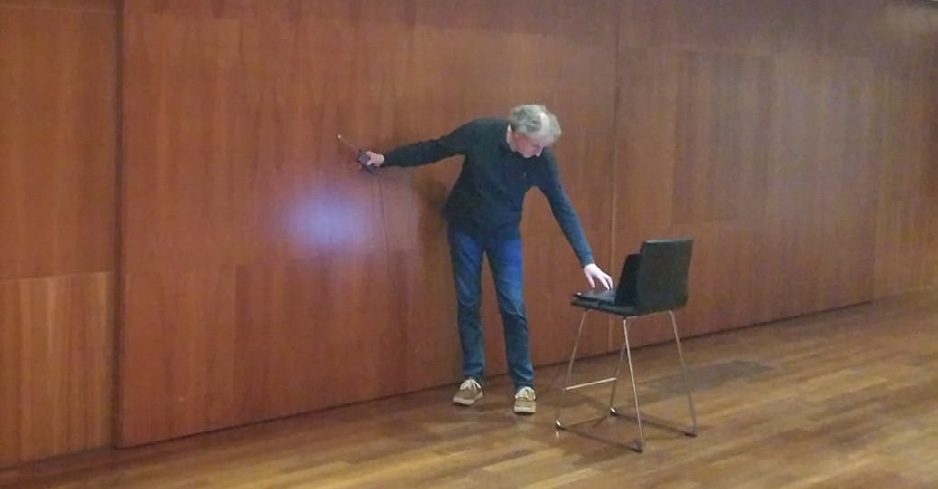
An example is shown in Figure 1. Here the wooden “sliding doors” in front of the windows are measured in room 1.
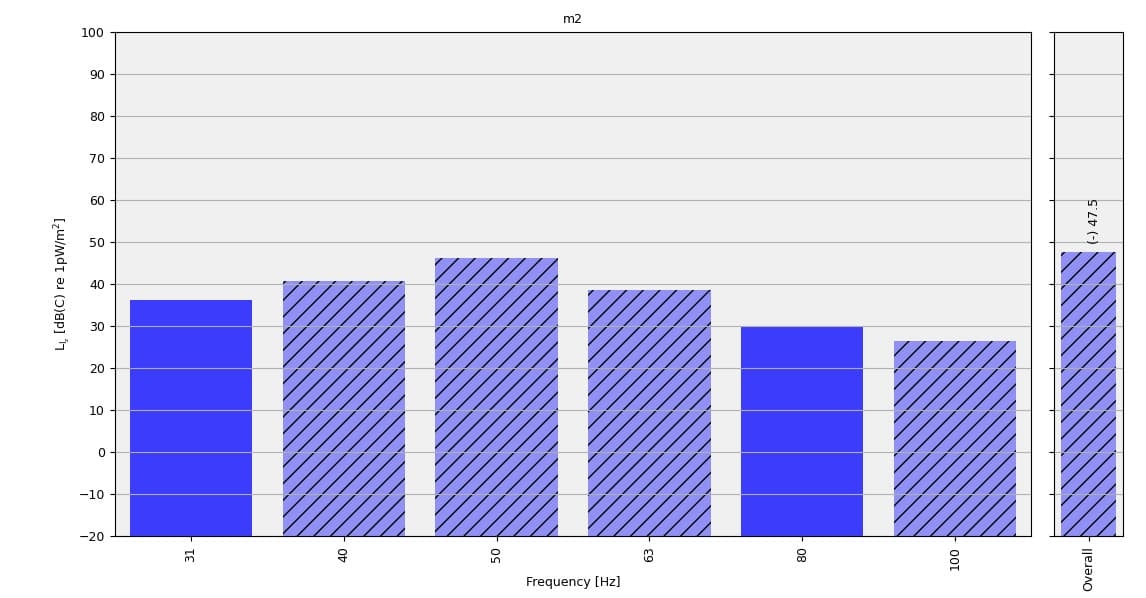
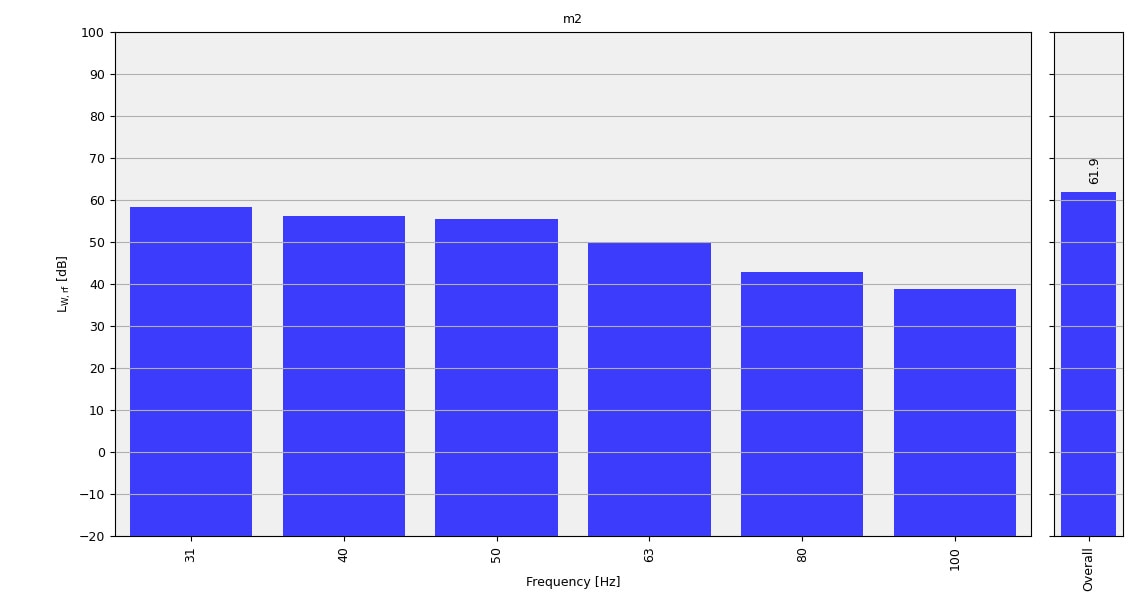
This measurement shows that in the 31 Hz and 80 Hz 1/3-octave bands, there is a net sound transmission to the room flowing through these wooden slotted doors.
In the other 1/3-octave bands, there is a net sound penetration. The radiating intensities are clearly higher than the net results and are low frequency higher than high frequency.
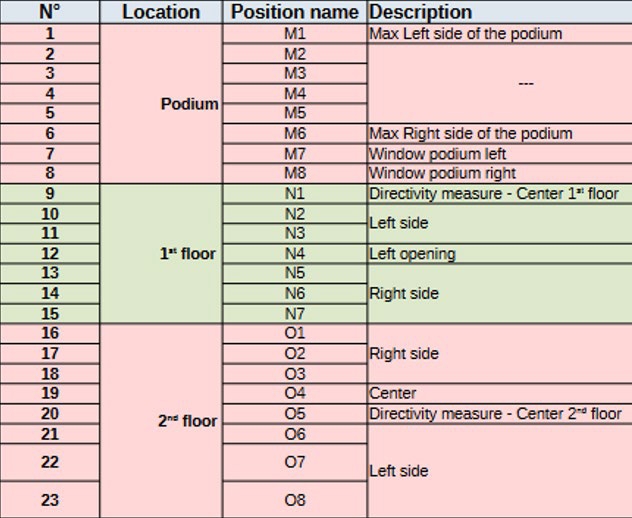
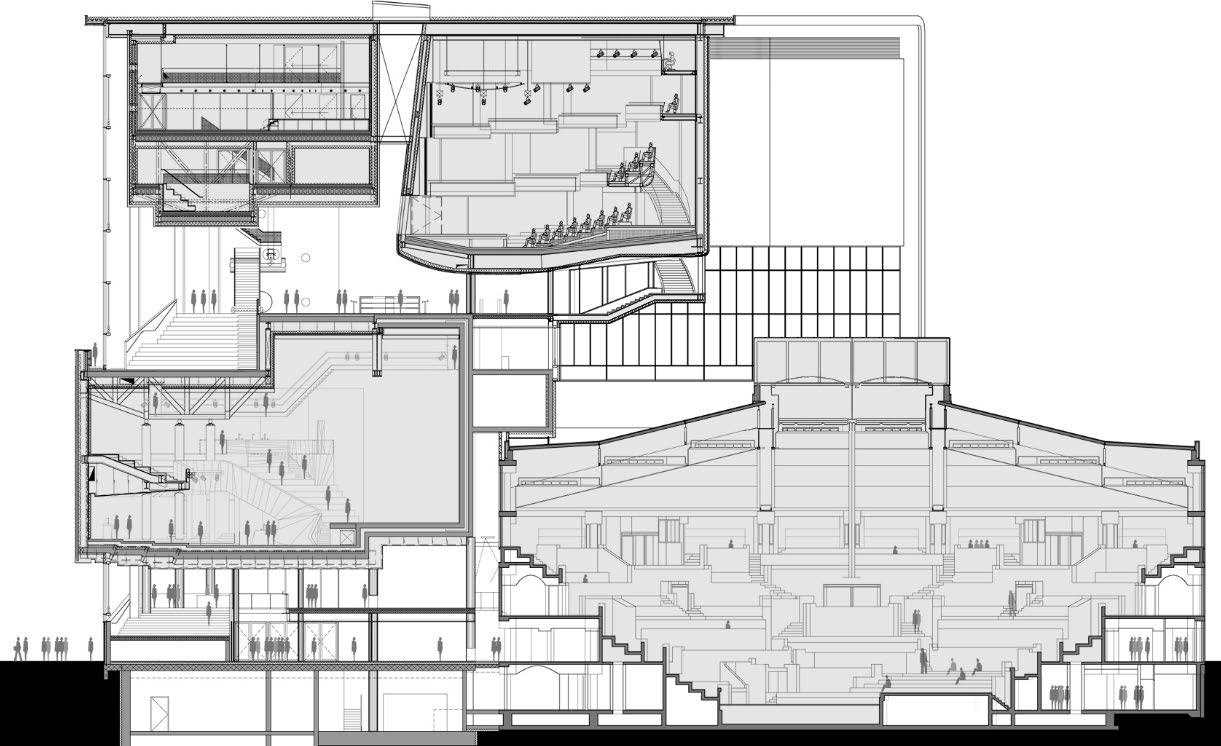
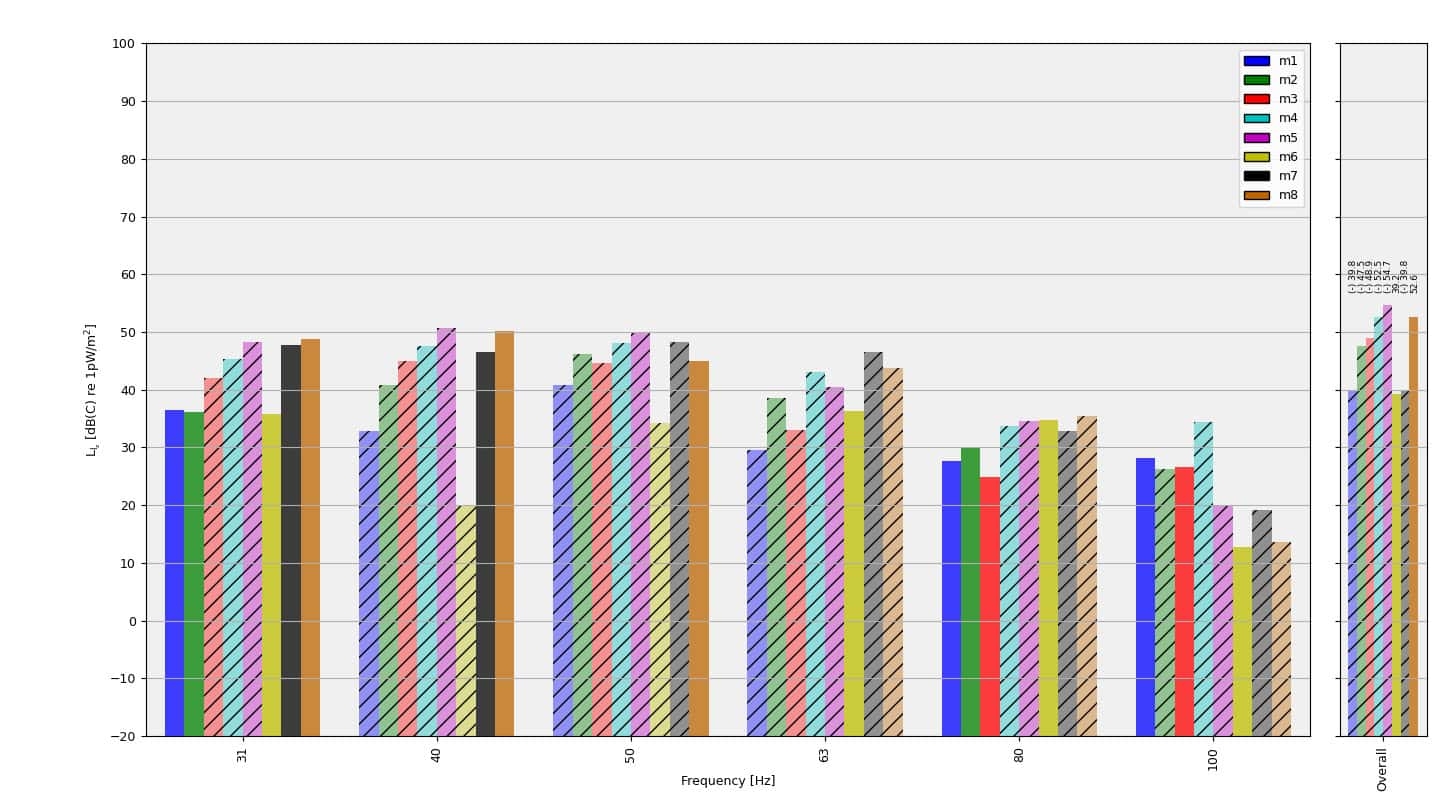
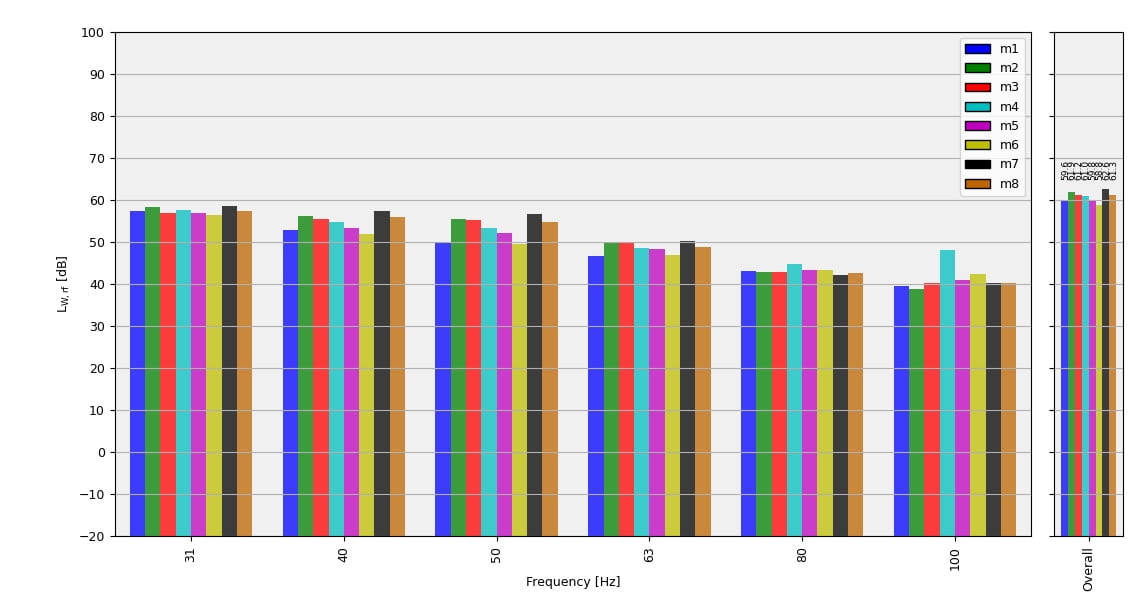
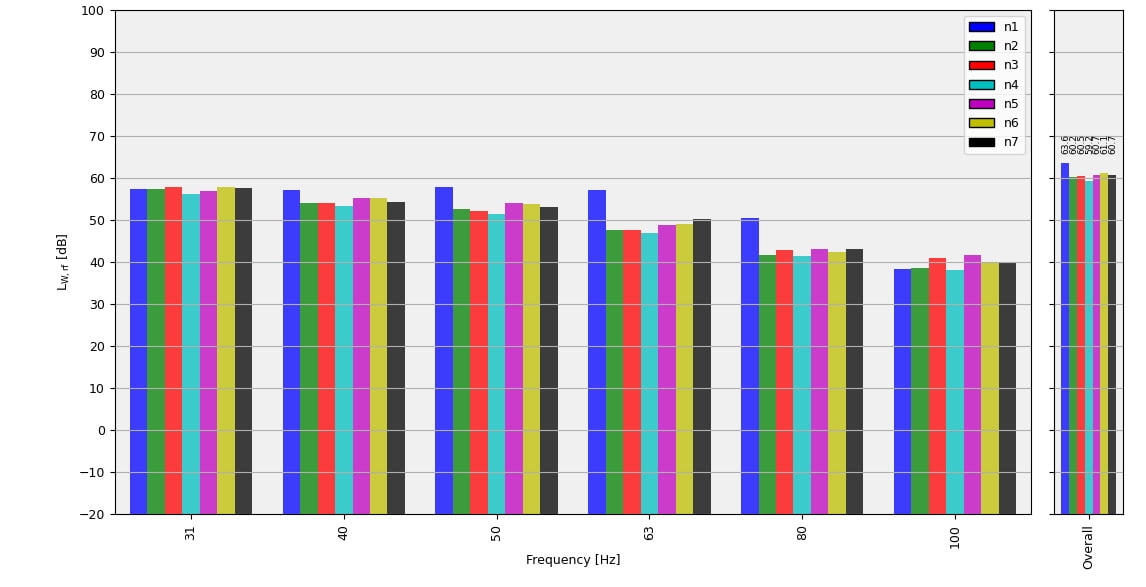
In the following Figures, all measurements are grouped by letter as in Table 1.
• m-measurements: Podium
• n- measurements: 1st floor
• o- measurements: 2nd floor
From figure 5 and 6, it can be concluded that, low frequency, most of the noise enters at measurements 7 and 8 the room; when the wooden sliding doors are opened.
From figures 7 and 8 it can be concluded that the vast majority of the sound intensity is negative so the sound is being absorbed here.
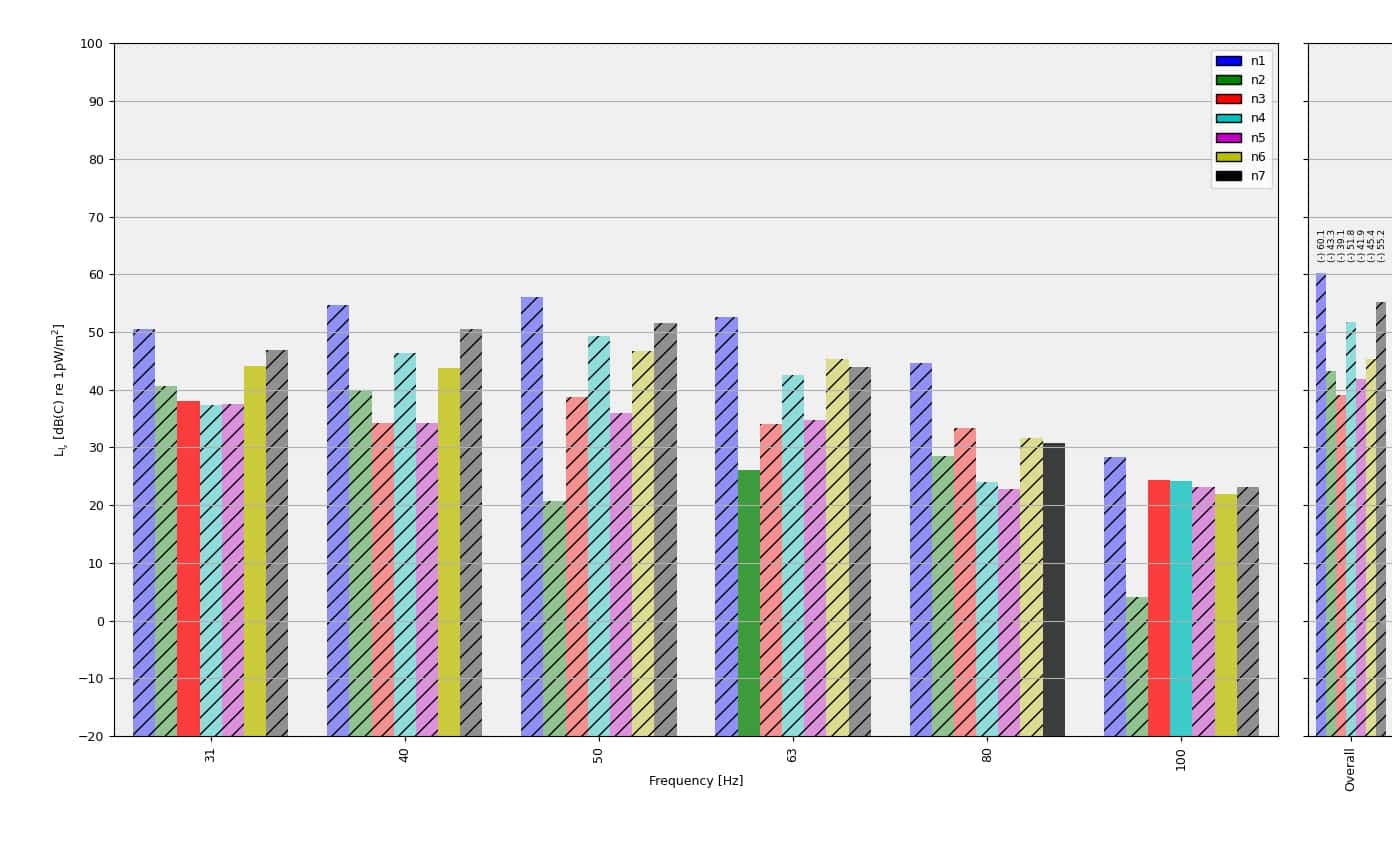
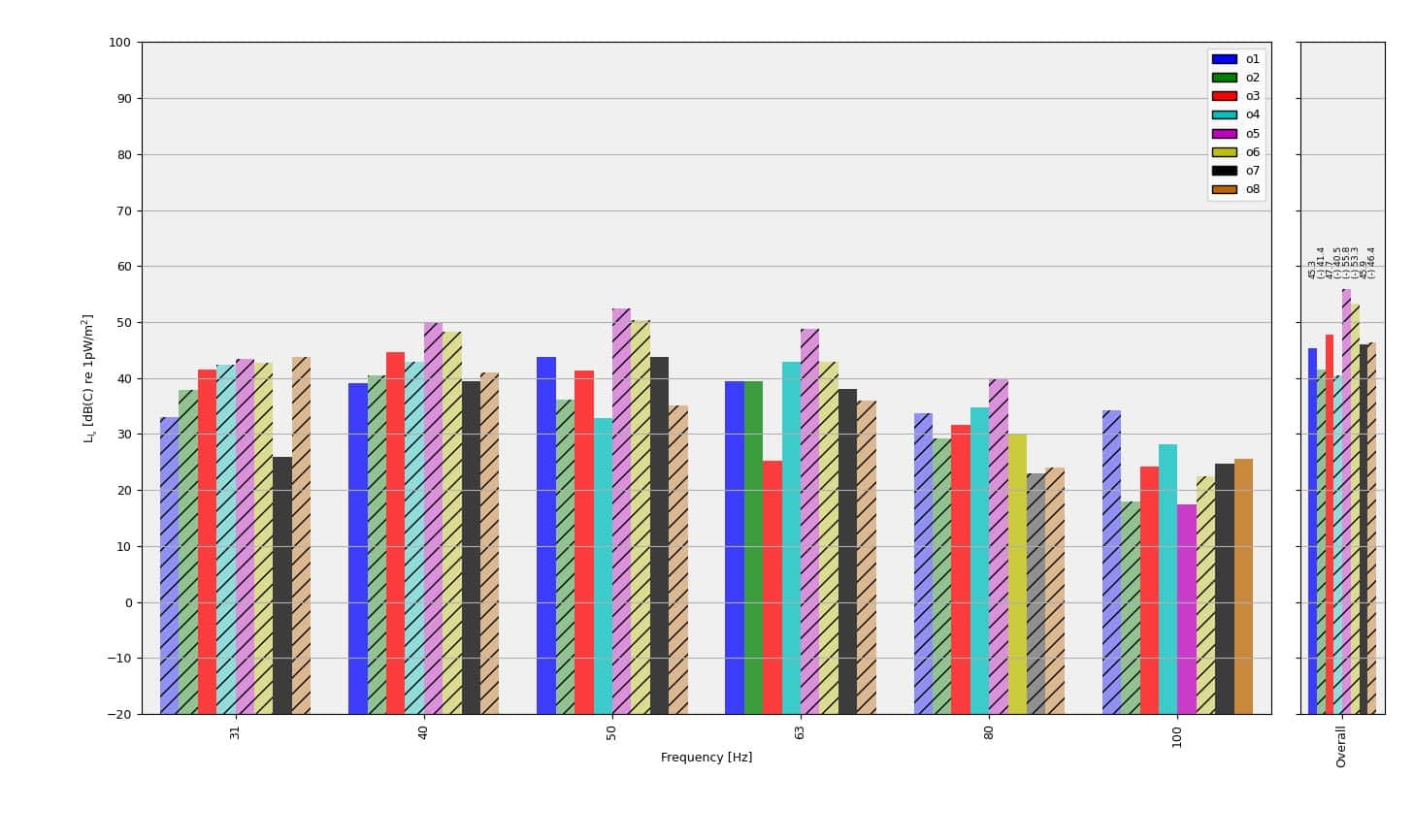
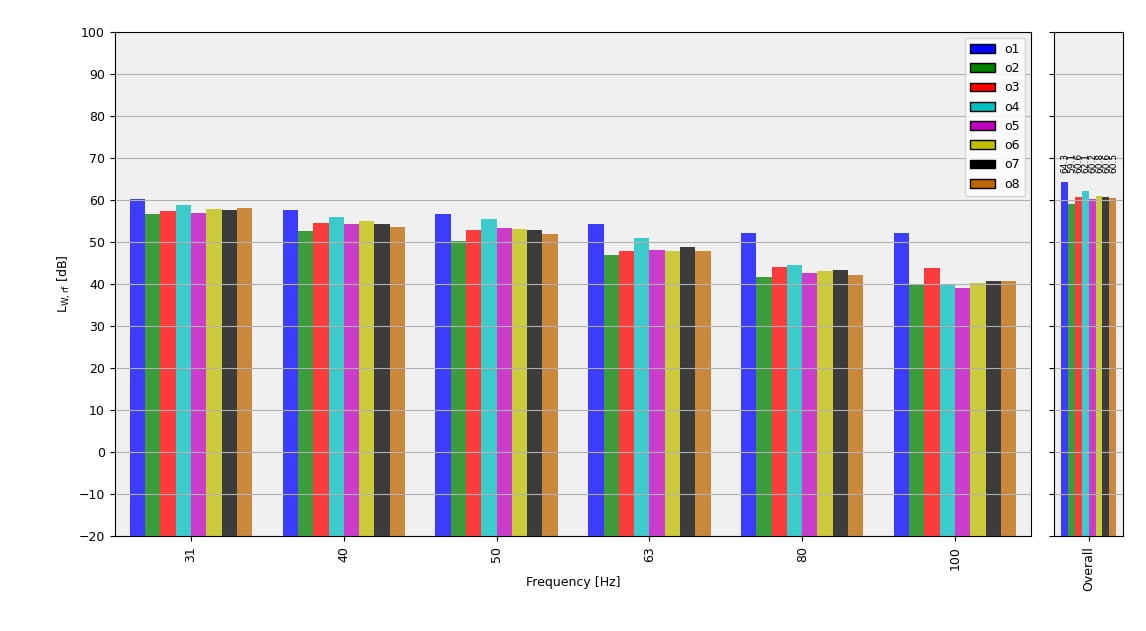
In these measurements, o1, o3, o4 and o7 are possible locations where sound enters the room. At the other surfaces, sound is being absorbed.
“By measuring how sound travels between rooms, Sonocat reveals hidden transmission routes and helps you pinpoint exactly where improvements are needed—fast, accurate, and on‑site.”